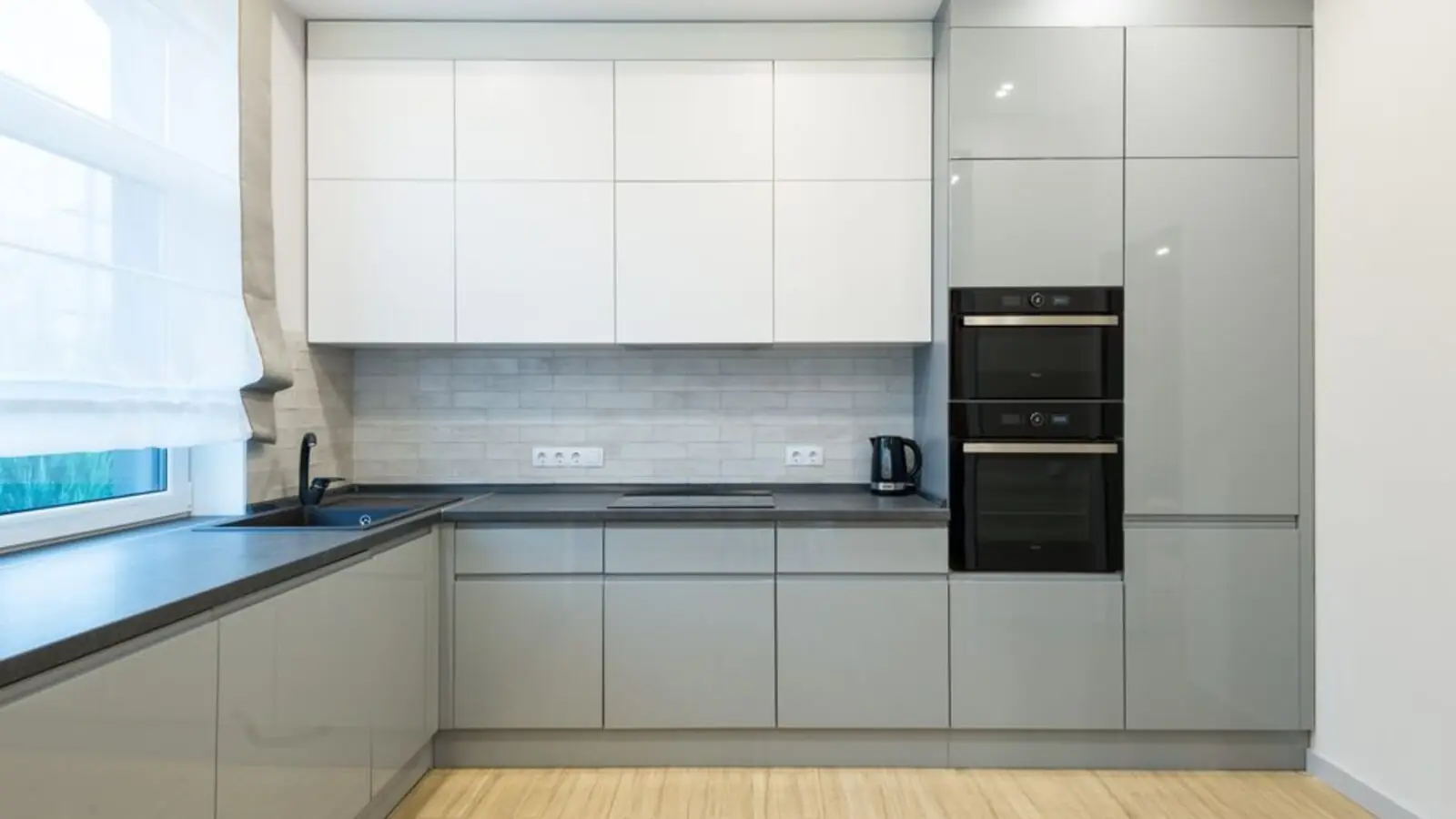
Resort-style plots and homes where the Aravalli air meets NCR convenience.
Get DetailsFaridabad has quietly transformed from an industrial satellite town into one of NCR's most closely watched residential markets. Bordering South Delhi and threaded through by the Violet Line of the Delhi Metro, the city offers something increasingly rare in the National Capital Region: genuine affordability without sacrificing connectivity. Sectors along the Faridabad-Noida-Ghaziabad corridor and the newer Greater Faridabad belt have drawn homebuyers priced out of Gurugram and Noida, while long-time residents continue to benefit from established social infrastructure in the older, central sectors.
The city's property market has matured through cycles of correction and revival. Prices across Faridabad have settled into a stable band after a period of adjustment, with Faridabad's property rates moving from ₹6,450 per sq ft in June 2025 to a peak of ₹6,750 per sq ft in the latter half of the year, before the average rate stabilized at ₹6,600 per sq ft as of March 2026. This kind of steadiness, rather than sharp spikes, signals a market driven by genuine end-user demand rather than speculation.
What makes Faridabad particularly compelling right now is the pace of growth in specific sectors. Sector 97 Faridabad, Sector 98 Faridabad, and Sector 83 Faridabad are the localities with the highest price appreciation for property in the last 3 years, a trend closely tied to their proximity to the Bypass Road and Greater Faridabad's expanding social infrastructure. Godrej Properties chose Sector 83 for its flagship plotted development, and that timing has aligned well with the locality's growth trajectory.
Looking ahead, industry watchers remain optimistic. Analysts tracking the market expect about 8–12% annual appreciation in well-located sectors during 2025–2026, with some premium or newly connected sectors seeing 12–15% growth if major projects like the metro and expressway bear fruit. For a city this affordable relative to its NCR peers, that kind of upside is difficult to ignore.
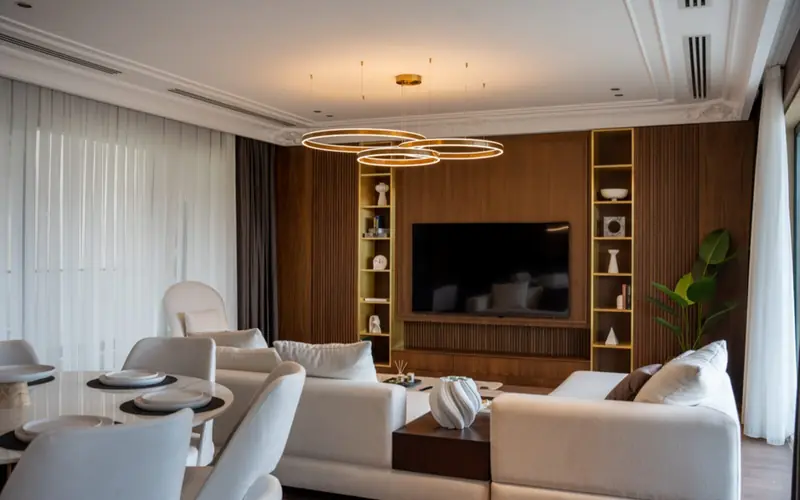
Property rates vary sharply across Faridabad's micromarkets, reflecting decades of uneven development between the older core and the newer Greater Faridabad belt. Buyers can choose between the premium central pockets and the still-affordable southern and Neharpar zones depending on budget and long-term goals.
From established central sectors to the fast-growing Greater Faridabad corridor, each locality here tells a different story of the city's evolution.
Home to Godrej's flagship plotted township, this Greater Faridabad sector sits along the Faridabad Bypass Road with strong connectivity to Mathura Road and NH-2.
A rapidly developing residential pocket near the Bypass Road, popular for premium plotted and floor developments.
A large planned extension of the city offering modern layouts, wide roads, and a mix of apartments and independent floors at accessible price points.
The city's oldest and most premium micromarket, commanding the highest per-square-foot rates due to established markets and civic infrastructure.
A well-established residential pocket near Delhi's Badarpur border, known for larger plots and proximity to the Violet Line metro.
Emerging sectors along the upcoming FNG Expressway alignment, seeing fresh residential and industrial activity.
Connectivity has always been Faridabad's strongest card, and it keeps getting stronger. The Violet Line of the Delhi Metro already links the city directly to Delhi, with the line connecting Kashmere Gate station in New Delhi with Raja Nahar Singh in Ballabhgarh via Faridabad across 34 metro stations spanning 46.34 kilometres. Within the city, the Violet Line extension serves Faridabad via 11 stations, connecting the city's commercial and residential sectors with Delhi, easing daily commutes for thousands of residents. The next wave of infrastructure is arguably even more transformative. The much-anticipated FNG Expressway will directly benefit the newer sectors: the FNG Expressway will cover 28.1 km in Faridabad, traversing sectors 89, 88, 84, and 75, which are witnessing rapid residential and industrial development. Layered on top of this, the Faridabad section of the upcoming RRTS corridor connects the city's industrial zones and links to the Violet Line, moving south along the FNG Expressway to provide a direct connection between Haryana and Uttar Pradesh without passing through Delhi. Together, these projects are steadily closing the connectivity gap between Faridabad and its more expensive NCR neighbours.
Fill in your details and our team will get back to you shortly with pricing, availability, and more.
The information here is shared in good faith for guidance alone and forms no part of any agreement. All figures, layouts, and images are subject to revision. Please confirm every detail with an authorised representative before proceeding. About · Projects
Share your details and our expert will call you back.